
Oil-water separator
It's an exploit.
Physical or chemical methods
In the oily liquid
Efficient separation of oil and water
The core function of environmental protection equipment is to
Wastewater discharge standards
with
Waste oil recycling
。
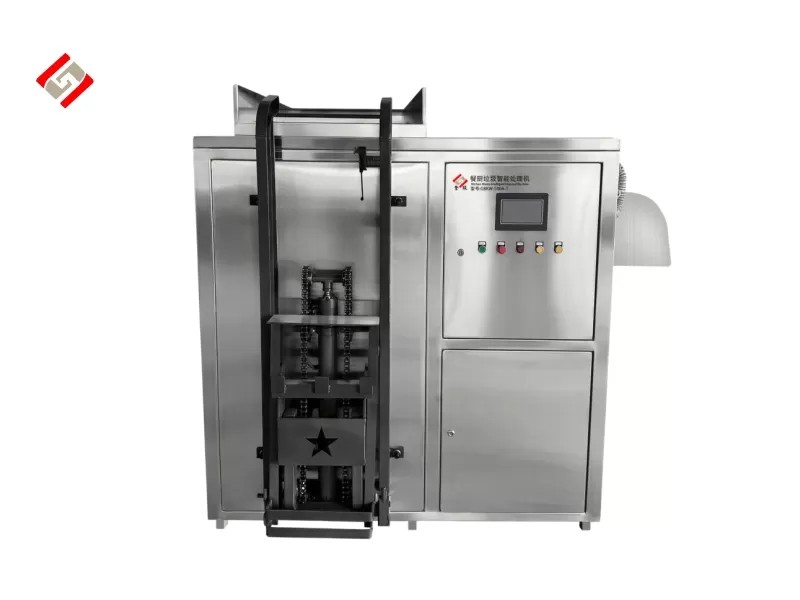
First, the core working principle
Mainly based on
Density difference between oil and water
(Oil about
0.8–0.93 g/cm³
,水 1 g/cm³),辅以多种技术强化分离:
1.
Gravity separation (basic)
The sewage flows slowly and stands, and the oil naturally rises and the water sinks. Interior
inclined plate
/
波纹板Extend the path and accelerate coalescence.
•
Advantages:
No power, low cost, easy maintenance
。
•
Limitations: Yes
Emulsified oil, tiny oil droplets
Bad results.
2.
Coalescence separation (reinforcement)
passed
Lipophilic fiber
/
滤材Let the micro oil droplets coalesce into large oil droplets, and then float up to separate.
•
Advantages: Separation efficiency
≥95%
, can be handled
10-100μm
Fine oil droplets.
3.
Air flotation separation (fine)
injection
microbubbles
(
50-100μm
)吸附油滴,快速上浮成浮渣刮除。
•
Advantages: Can handle
emulsified oil
The accuracy can be achieved
5ppm
以下。
4.
Centrifugal separation (high speed)
High speed rotation
Strong centrifugal force
The oil is thrown towards the center and the water is thrown towards the outer wall, instantly layering.
•
Advantages:
Extremely efficient (
99%+
)、占地小、速度快。
II. Main types and characteristics
1.按技术原理
•
Gravity type (grease trap)
Simple structure, low cost, suitable for
Catering pretreatment, low-concentration wastewater
。
•
air floating
High efficiency, suitable for
Medium and high concentration, containing emulsified oil
Waste water (e.g. food processing, commercial complexes).
•
centrifugal
Fast processing, small footprint, suitable for
High oil, low flow, emergency scenarios
。
•
Intelligent integration (e.g.
GBOS
系列)integration
gravity
+
聚结 + 气浮 + 加热 + 自动排渣Fully automated, IoT monitoring, efficiency
≥96%
。
2.按应用场景
•
catering only
slag removal
+
隔油 + 加热防凝固,适配Restaurant, canteen, hot pot restaurant
(Butter and other easily solidified oils).
•
Industrial Special Purpose
process
Cutting fluid, petrochemical wastewater, mineral oil
, often matched
Explosion-proof, air flotation, deep filtration
。
•
Marine only
meet
IMO
Standard, anti-tilt, anti-vibration, treatment
Engine room bilge water
(
≤15ppm
Emissions).
Typical application fields
•
Catering industry
Kitchen wastewater, canteen, hot pot
/
烧烤店,Anti-pipe blockage, environmental protection standards
。
•
machining
:
Cutting fluid, emulsion regeneration
Recycle and reduce costs.
•
petrochemical
: Refinery wastewater, oil field produced water,
Oil recovery, water standard discharge
。
•
food processing
: slaughtering, frying, beverages,
Animal and vegetable oil separation
。
•
ship
/
码头Bilge water, ballast water,
Marine environmental compliance
。
IV. Selection points
1.
Wastewater type
Catering (animal and vegetable oils)
/
工业(矿物油 / 乳化油)。
2.
throughput
: small (
0.5–2t/h
)/ 中型(2–5t/h)/ 大型(>5t/h)。
3.
oil concentration
Low concentration selection
gravity
High concentration
/
乳化选air flotation
/
聚结 / 离心。
4.
emission standard
: Catering (
≤100mg/L
); industry
/
Ship (
≤30/15ppm
)。
5.
Installation conditions
: ground
/
地下、空间、供电、是否需Lift pump
。
V. Core Values
•
Environmental compliance
Avoid oil pollution of water and soil
Environmental regulations
。
•
Protect the pipeline
Prevent grease from solidifying
clog sewers
Reduce clearance costs.
•
resource recovery
: Waste oil can be
Recycle and reuse
Create revenue.
•
cost reduction and efficiency increase
: industry
coolant
/
切削液循环使用Significantly reduce procurement and emissions costs.