
Food waste (wet waste) is mainly divided into
Household daily processing
、
Centralized harmless disposal
and
Resource utilization
Three main categories, common methods are as follows:
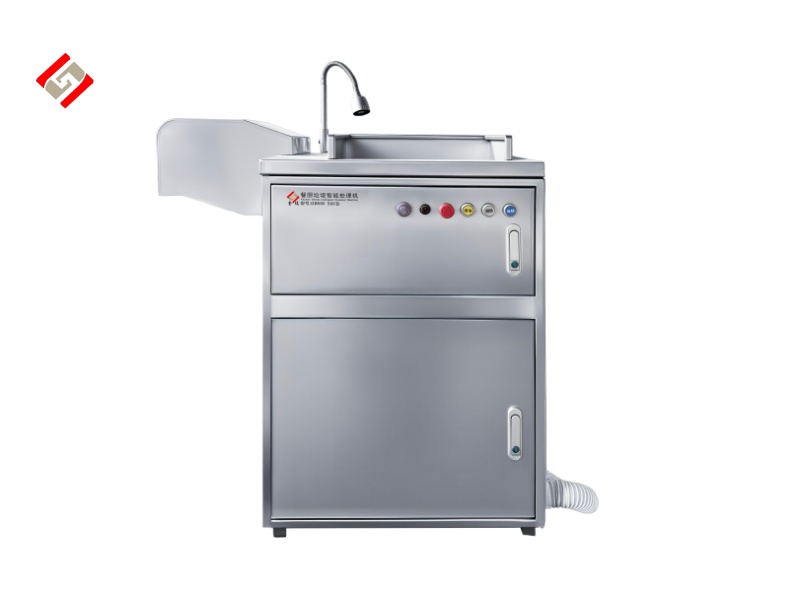
Family
/
小型场景处理方法
1.
category placement
Separate bagging
/
装桶投放到小区Food waste bin
The unified cleaning and transportation by sanitation is the most common and worry-free way.
2.
Food waste crusher (garbage disposal)
Installed under the kitchen sink, the food residue is crushed and discharged into the sewer, suitable for leftovers, vegetable leaves, peels, etc.
3.
home composting
Use a compost bin
/
发酵桶,将果皮、菜叶、枯枝等发酵成有机肥,适合阳台、庭院养花种菜。Attention:
Cooked meat, oil, salt, dairy products
Not suitable for home composting, easy to stink and attract insects.
4.
Drain and discard after dehydration
Pour out the soup, drain it, and pack it to reduce leakage, odor, and mosquitoes.
Municipal government
/
专业集中处理方式
1.
Sanitary landfill
In the early days, the commonly used methods, which occupied a large area and were prone to leachate pollution, have now been gradually reduced.
2.
Incineration power generation
It is burned with other waste to generate heat
/
电能,减量效果明显。
3.
Biogas production by anaerobic fermentation
Sealed fermentation produces methane, which can be used for power generation, heating, and civil gas, and the residue is used as organic fertilizer.
4.
aerobic composting
Large-scale high-temperature fermentation, killing the eggs of bacteria and insects, and making organic fertilizers for landscaping and agriculture.
5.
Feed treatment
After high temperature sterilization, drying and other processes, it is processed into animal feed (strictly controlled, and direct feeding to pigs is prohibited).
6.
Black soldier fly
/
昆虫转化Eating food waste with black soldier fly larvae, the insect body can be used as protein feed, and the insect manure can be used as organic fertilizer, which has high resource utilization efficiency.
III. Simple and practical suggestions
•
Leftovers: as much as possible
Clear Your Plate Campaign
Reduce the amount at the source.
•
Takeaway soup: first pour the drain and then throw the box to avoid dripping.
Bones and shells: large bones and hard shells are generally classified as
Other garbage
Small, soft bones can be classified as food waste.